For homes
Residential Rooftop Solar
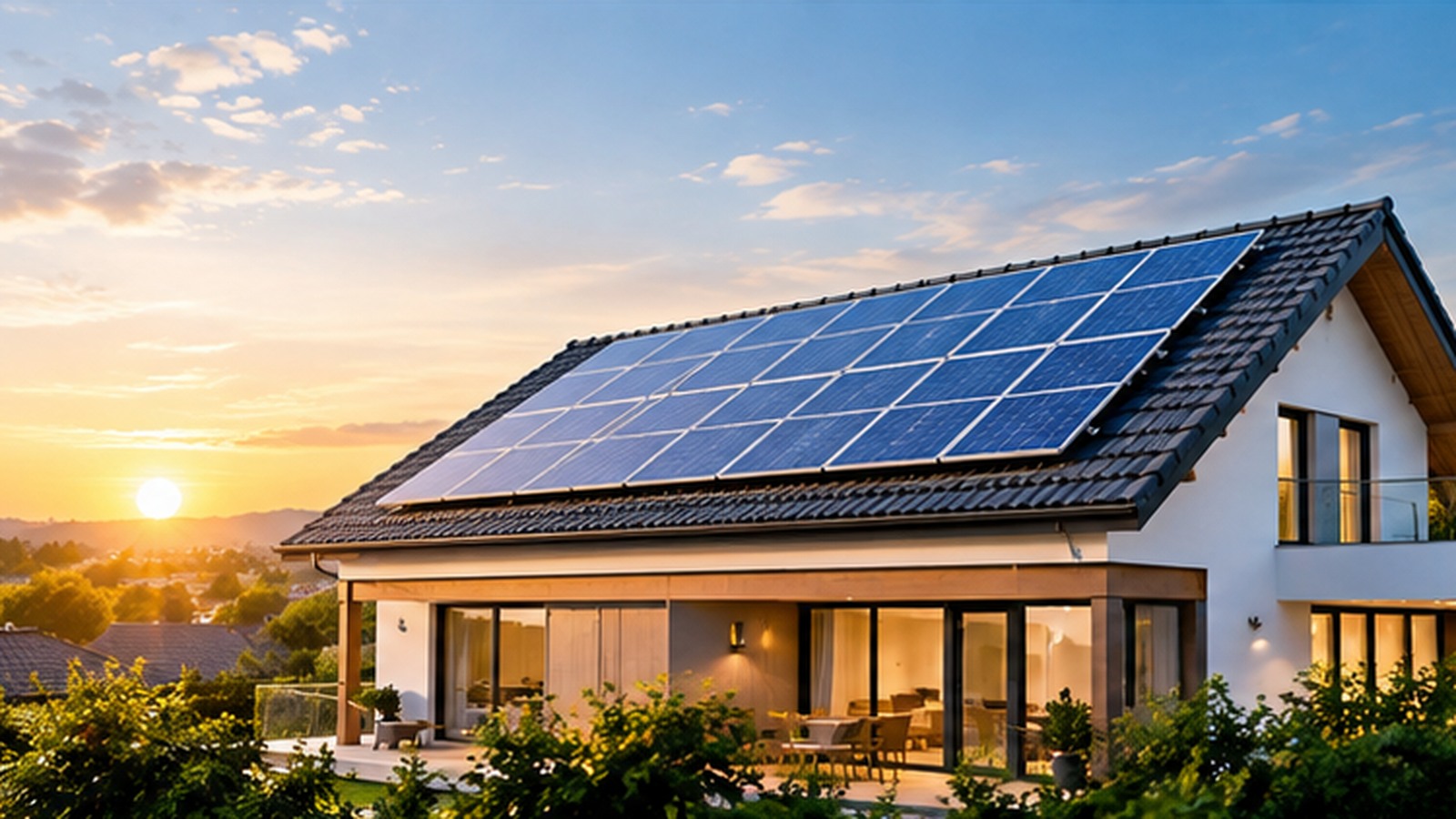
A roof-fit solar plan built around household electricity use, roof layout and daytime needs.
Discuss this optionExplore a rooftop solar solution planned around your roof, shade, electricity use and long-term energy needs.
A useful solar proposal is more than a panel count. It connects roof suitability, electricity consumption, daytime demand, electrical infrastructure and the practical requirements of your property.
A well-planned layout balances generation, access, safety and the way you use power.
Site assessment, careful system sizing, safe installation and practical long-term care belong in one plan.
Start with your property type, then shape the technical and operational plan around the roof, the load and your goals.
A roof-fit solar plan built around household electricity use, roof layout and daytime needs.
Discuss this option
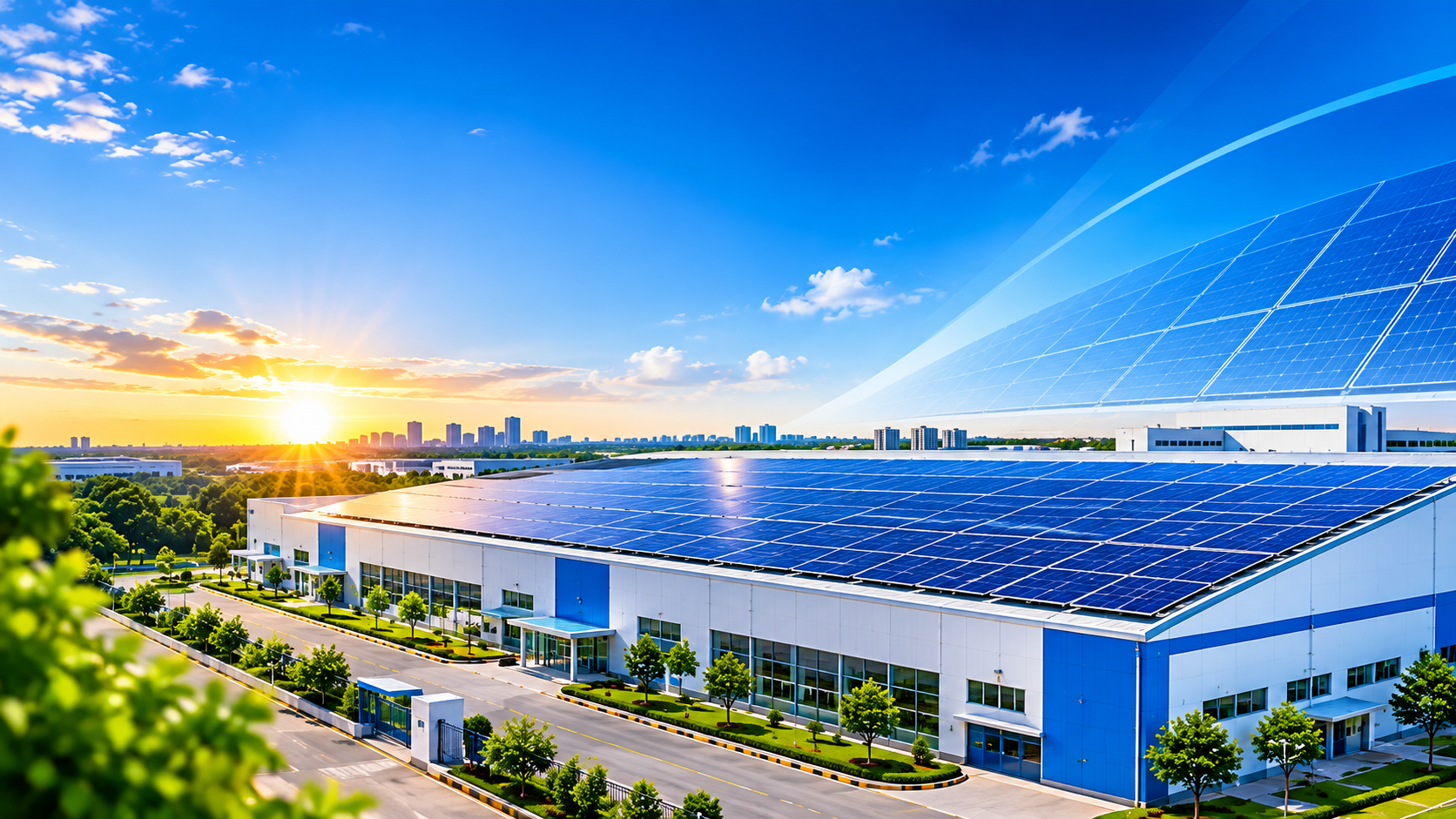
Evaluate rooftop potential and usage patterns for offices, shops, warehouses and business sites.
Discuss this option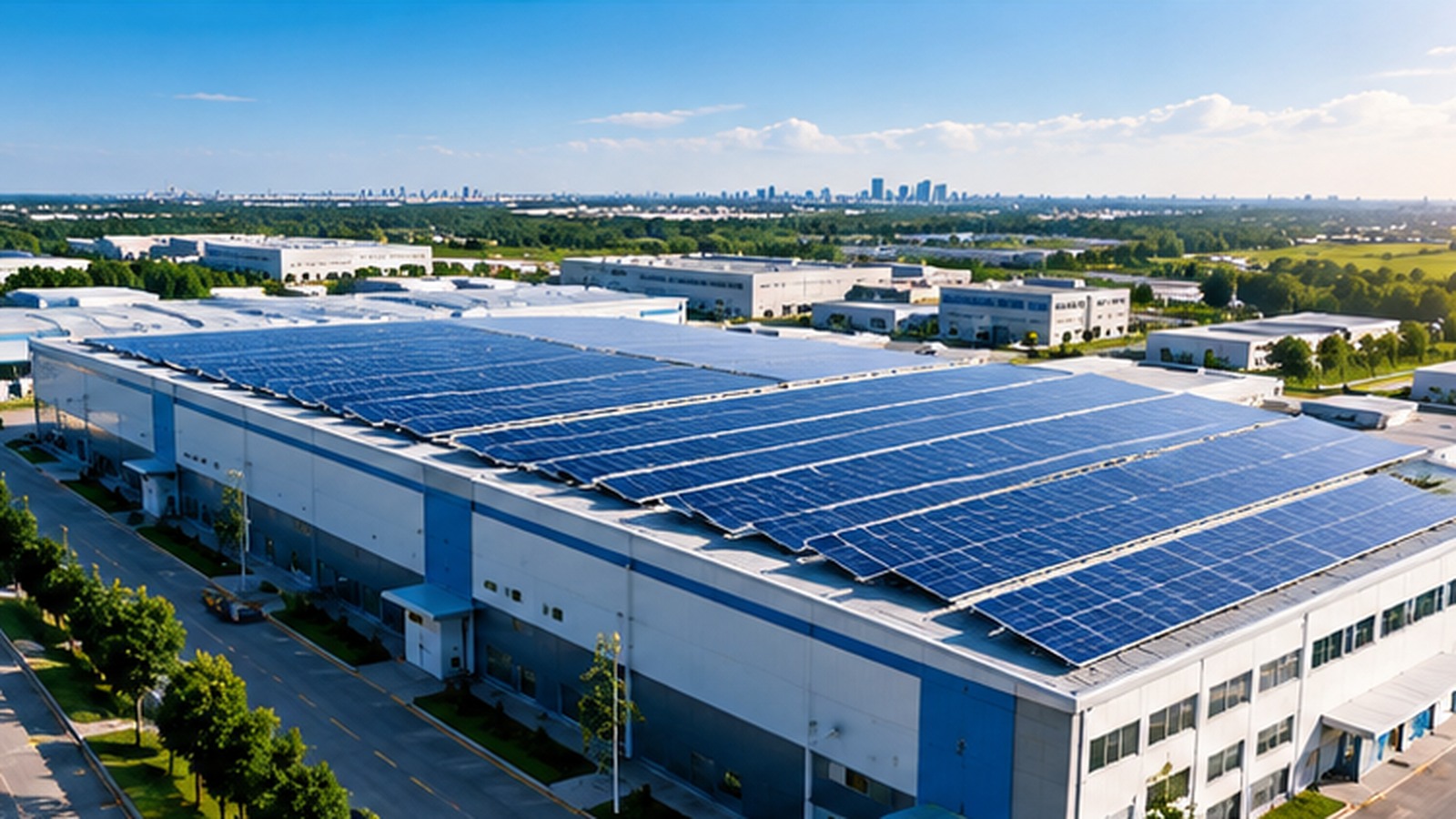
Plan around roof area, electrical infrastructure, operating schedules and maintenance access.
Discuss this option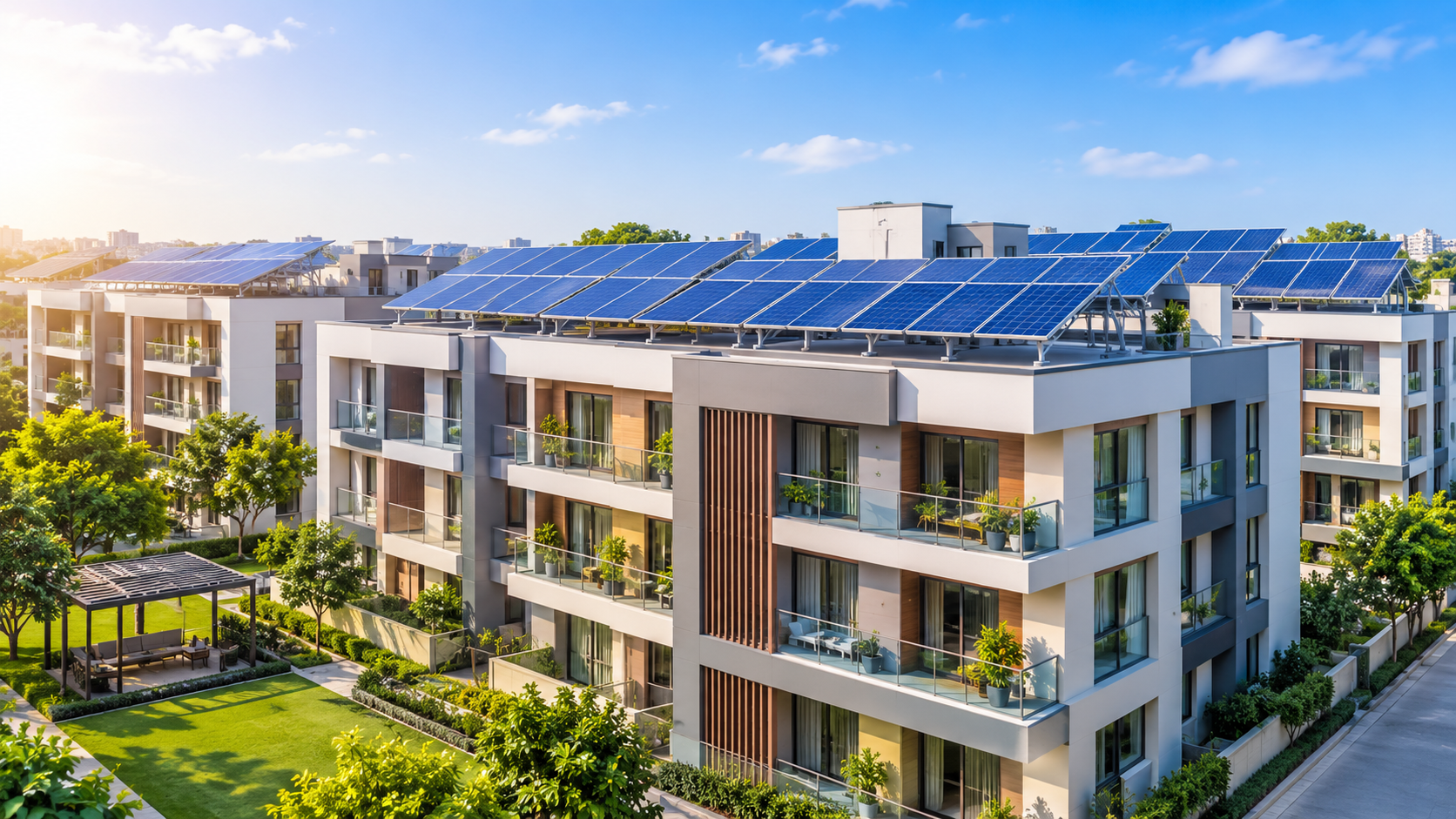
Explore solar for common-area loads, subject to roof rights and applicable local rules.
Discuss this option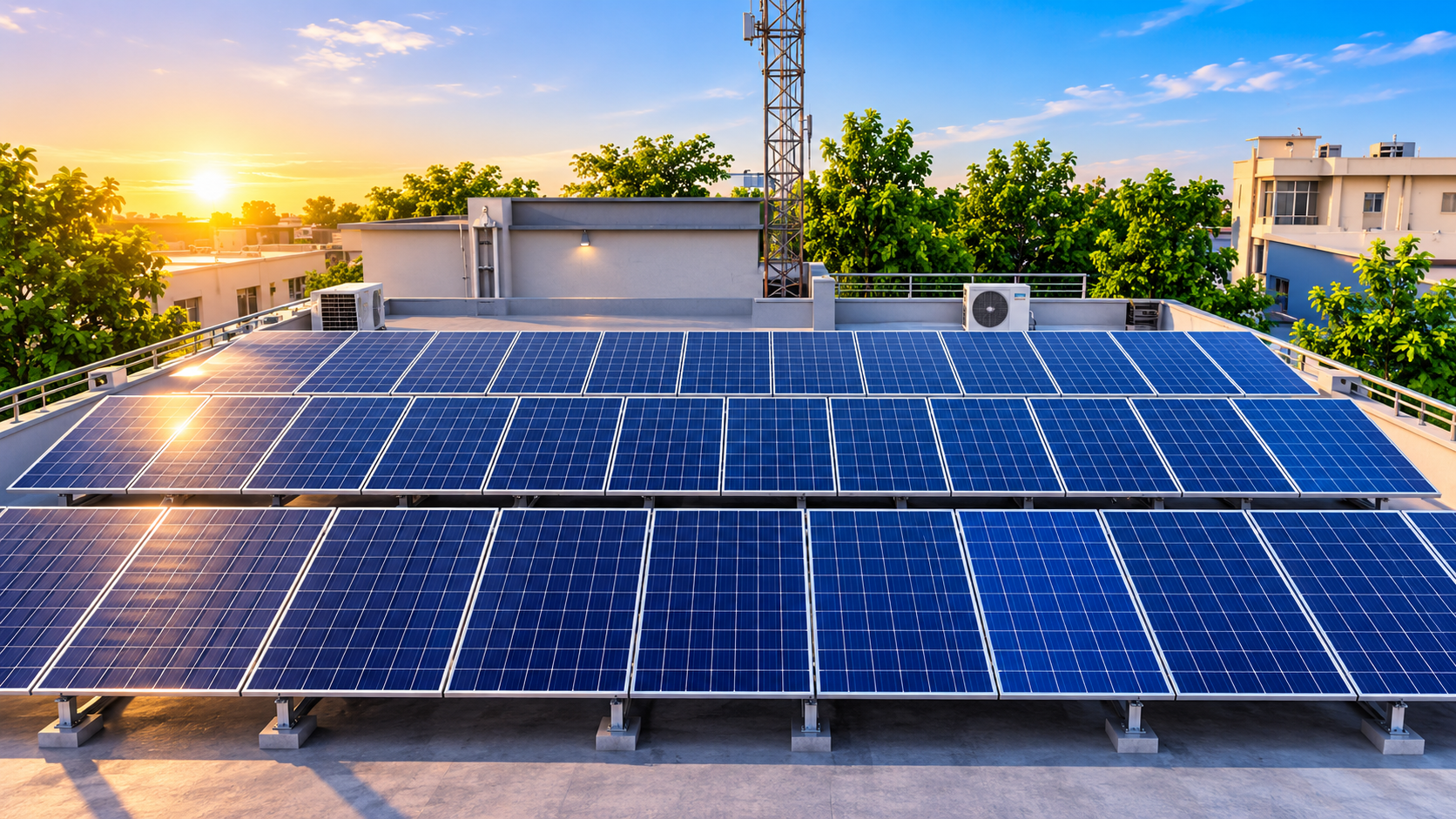
Review roof suitability, shade, energy consumption, equipment options and practical system capacity.
Discuss this option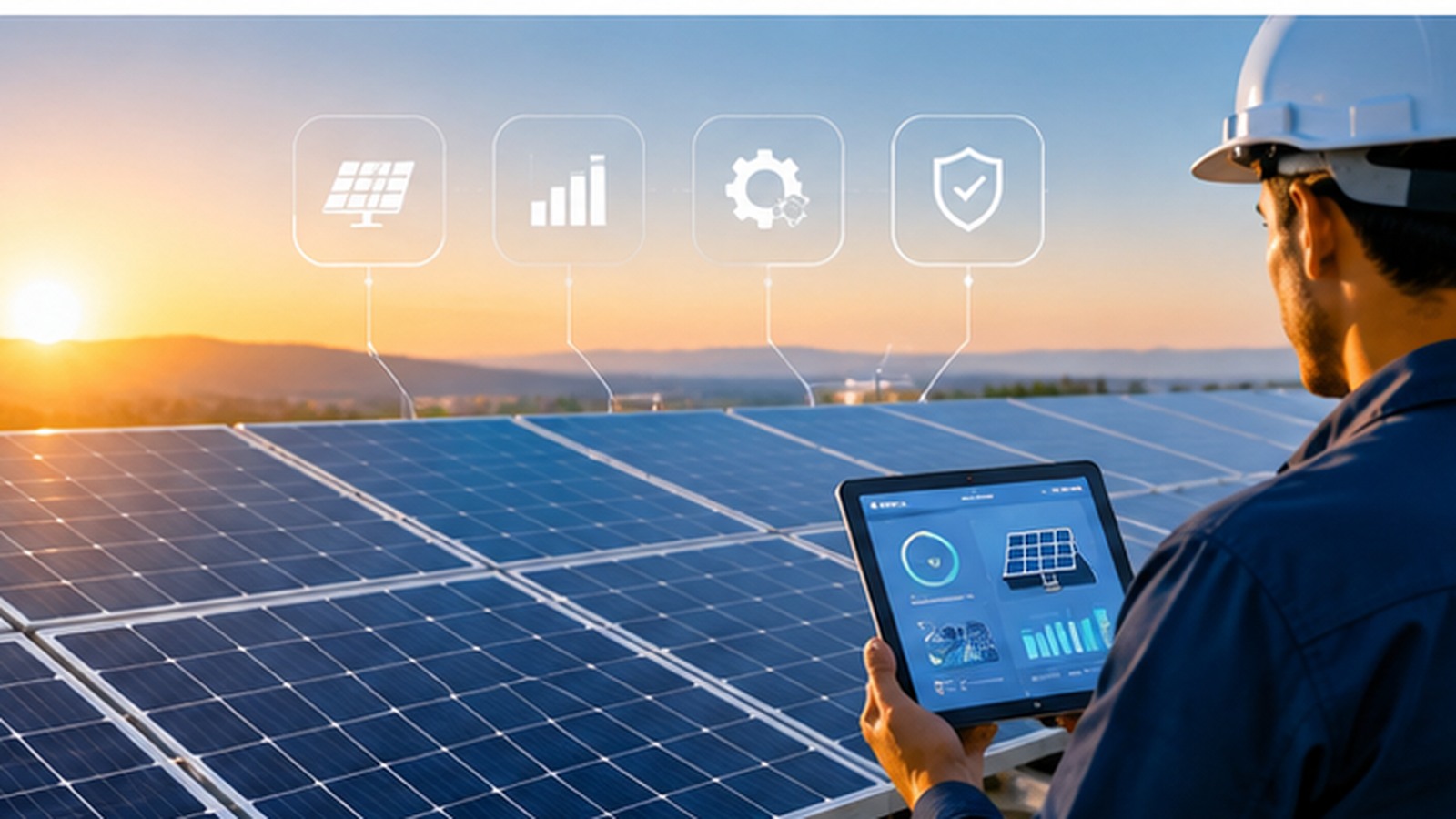
Plan cleaning, inspections and system checks to support safe long-term operation.
Discuss this optionThe details behind a dependable system matter just as much as the panels themselves.
Roof structure, usable area, shade, access and cable routes inform the layout before equipment is selected.
Electricity bills, daytime load and future demand help guide system capacity and generation estimates.
Mounting, electrical protection, safe access and commissioning checks belong in the plan from day one.
On-grid, off-grid and hybrid systems serve different needs. The right configuration depends on grid availability, backup expectations, electricity usage and site conditions.
A solar configuration connected to the utility grid. It can help offset grid electricity use; export and net-metering arrangements depend on local utility rules.
A standalone configuration that uses battery storage to supply power when solar generation is unavailable. Capacity should be planned around essential loads and backup duration.
A configuration that combines solar, a grid connection and battery storage. Backup capability depends on the inverter, battery capacity and selected backup circuits.
System availability, export arrangements, backup performance and final capacity are subject to site assessment, equipment specifications and applicable electricity-distribution rules.
Every stage should have a clear purpose, with site and utility requirements addressed early.
Review the roof, shading, electricity bills, usage patterns and site constraints.
Plan capacity, layout, components, safety provisions and utility requirements.
Align installation work, electrical integration, documentation and commissioning checks.
Review operation and establish a practical inspection and maintenance routine.
Hear from homeowners and businesses about their solar planning, installation and long-term support experiences.
"The team explained the complete rooftop solar process clearly, from roof assessment and system capacity to installation and expected usage. The work was planned neatly and completed with good attention to detail."
"We received a practical proposal based on our shop's operating hours and electricity consumption. The coordination was straightforward, and all technical stages were explained before work began."
"The consultation covered roof suitability, available space, shading and the factors that affect system size. It helped us understand what would work for our property instead of choosing a system blindly."
"The assessment was organised around our facility's load pattern, roof access and maintenance needs. We appreciated the clear communication and the careful explanation of each project stage."
"The team took time to understand our electricity usage and checked the roof layout before recommending a system. The process felt well managed, transparent and easy to follow."
"We had a clear discussion on common-area load, rooftop feasibility and approval requirements. The proposal was practical for our society and made it easier for members to understand the next steps."
A solar installation is a connected system. Each component has a specific role, and its specification should be selected around the property, electrical design and energy requirements.
Convert sunlight into DC electricity. Selection depends on available roof space, orientation, shading and module specifications.
Converts the panels’ DC output into usable AC electricity. Its type and capacity must match the system design.
Supports and secures the panels. The structure should suit the roof type and be designed for relevant site and wind conditions.
Protective devices, earthing, isolators and correctly specified wiring help support safe system operation.
Helps track system performance and identify changes in generation. Features depend on the selected equipment and connectivity.
Stores energy for later use where backup or off-grid operation is required. Battery sizing depends on load and backup needs.
Component selection, protection requirements and equipment specifications should be confirmed by a qualified solar professional after reviewing the site and electrical requirements. Battery storage is optional and is not required for every solar installation.
Eligible residential grid-connected rooftop systems may qualify under the PM Surya Ghar: Muft Bijli Yojana, subject to current scheme rules and application requirements. Commercial and industrial projects have different financial considerations. Confirm eligibility on the official portal before making a financial decision.
Every property is different. Final system design, generation and potential savings should be based on a site and electricity-use assessment.
Subsidy and utility rules can change. Confirm the latest requirements with your electricity distribution company and the official scheme portal.
PM Surya Ghar portalSystem size depends on electricity consumption, daytime usage, usable roof area, shading, electrical connection and local utility rules. Recent bills and a site assessment are a useful starting point.
Panels can generate electricity in diffuse daylight, but output is generally lower with reduced sunlight. Panels do not generate electricity at night. After sunset, supply depends on your grid connection and whether a suitable battery system is installed.
Not always. A grid-connected system without batteries can suit sites focused on offsetting grid electricity use. Batteries can help with backup needs, but add cost and should be sized around the loads you need to support.
Suitability depends on structure, waterproofing, shade, orientation, safe access and usable area. A qualified site review should confirm what is practical before installation.
Eligible residential grid-connected systems may qualify under the PM Surya Ghar: Muft Bijli Yojana, subject to current scheme and application rules. Commercial and industrial systems are not covered by the same household subsidy. Confirm current terms on the official portal.
Where available and approved by the local electricity distribution company, net metering records electricity imported from and exported to the grid. Requirements and settlement rules vary by state and utility.
Solar systems generally need periodic inspections, suitable panel cleaning and checks of mounting hardware, wiring and inverter status. Follow manufacturer instructions and use qualified personnel for electrical work.
Solar can be assessed for homes, apartment common areas, commercial buildings and industrial sites. The arrangement depends on roof rights, energy demand, electrical capacity, structure and approvals.
Tell us a little about your roof, property and electricity use. Start with a practical conversation about suitability, system size and next steps.